

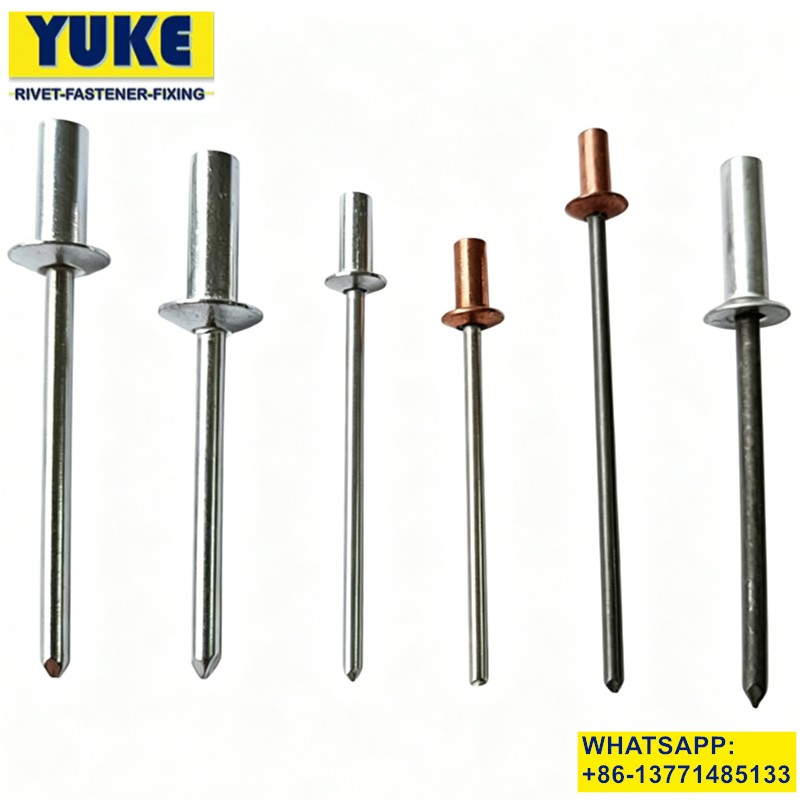
Different Kinds of Rivets: What You Need to Know First.Before diving into installation and removal, it’s important to familiarize yourself with different types of rivets, as each serves a specific purpose. The most common types of rivets include blind rivets, solid rivets, tubular rivets, and split rivets.
Do You Need A Rivet Gun to Install Pop Rivets ?
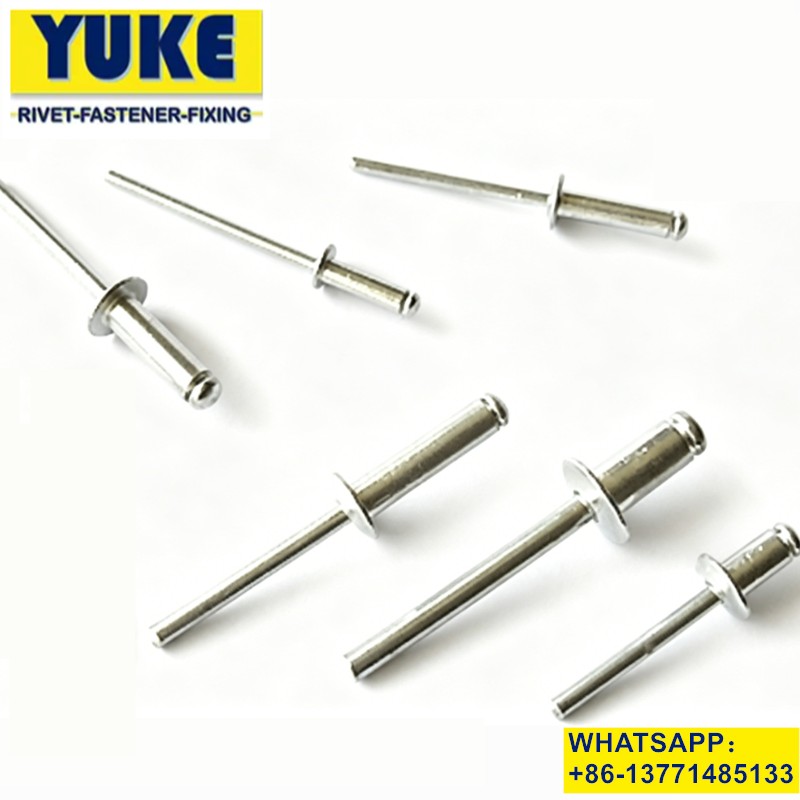
Yes,you need a rivet gunto install pop rivets.pop rivets also called blind rivets.It can be set by hand with locking Pliers,or with screwdrivet and a small hammer.
Many people assume you need a riveting machine or professional rivet gun to install blind rivets, but that’s not the case. For small-scale projects, emergency repairs, or DIY tasks, you can use common household tools to install blind rivets effectively. These methods work best for standard blind rivets , which are among the most versatile different kinds of rivets. Note that while these methods work for light to medium-duty use, a riveting machine or professional rivet gun is still recommended for heavy-duty or industrial applications.
Tools You can use instead of a rivet gun(Pliers,Hammer,Screwdriver,Rivet Setter)
If you wanna install rivets without a rivet gun .You can follow below tools.
1.Locking Pilers(best hand method)
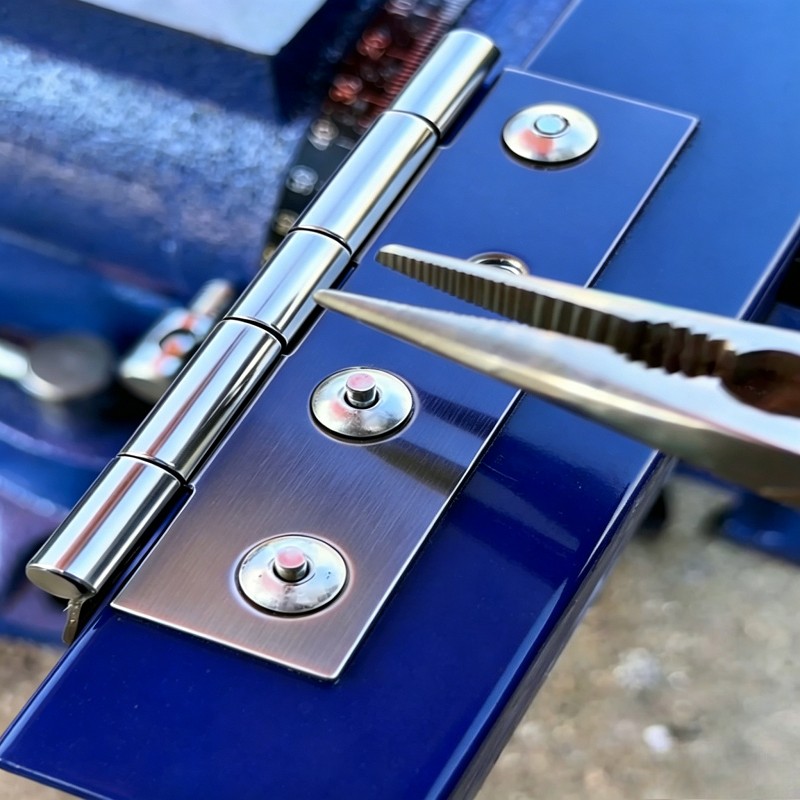
Locking pliers clamp onto the mandrel and keep locked,You can pull with both hands and steady force.This is closest method for rivet gun ,
2.Screwdriver and small hammer
If you have not pliers,place a flathead screwdrivet under the mandrel head and tap it gently .It works for light jobs,
3.A basic hand riveter tool
A low-cost hand riveter also called pop rivet tool ,is a small step up from the methos,It pulls the mandrel in a straight line,so the rivet sets more evenly,
Step-by-Step Guide to Install Blind Rivets Without a Rivet Gun
Your chosen blind rivets Follow these simple steps to achieve a secure connection:
A.First, drill a hole in the materials you want to join. The hole diameter should match the size of your standard blind rivet —we recommend a hole 0.1mm larger than the rivet diameter for a tight, secure fit. This step applies to most different types of rivets, not just blind rivets.
B.Push the blind rivet through the pre-drilled hole, ensuring the rivet head is flush with the surface of the material. This ensures the rivet is properly positioned for a strong bond.
C.Use locking pliers to firmly grip the mandrel (the thin metal rod protruding from the rivet). For better grip, wrap a small cloth around the mandrel to prevent slipping—this is a handy tip for all types of rivets that require manual installation.
D.Pull the pliers upward with steady, even force until the mandrel snaps off. As you pull, the tail of the blind rivet will expand inside the materials, creating a tight clamp. If you don’t have pliers, use a screwdriver and hammer: place the screwdriver under the mandrel head and tap gently but firmly until the mandrel breaks.
E.After the mandrel snaps, check that the rivet is secure (no looseness) and the head remains flush. If it’s loose, repeat the process with a new blind rivet —never reuse rivets, as they won’t provide a secure hold.
How To Remove Pop Rivets Without a Drill
Whether you’ve misaligned a blind rivet or need to disassemble a project, removing rivets is straightforward with basic tools—no riveting machine required. This method works for most different kinds of rivets, including blind rivets, solid rivets, and split rivets:
A.Weaken the Rivet Head: For blind rivets , use a small drill bit (slightly smaller than the rivet diameter) to drill a hole through the center of the rivet head. This weakens the head and makes it easier to remove.
B.Pry Off the Head:Use a flathead screwdriver to pry under the rivet head, gently lifting until it pops off. For stubborn heads, tap the screwdriver with a hammer to loosen it—this works for all different types of rivets.
C.Push Out the Rivet Body:Once the head is removed, use the screwdriver or a punch to push the remaining rivet body through the hole from the back. The rivet should come out easily, leaving a clean hole for a new rivet if needed.
Can you reuse rivets?
No,pop rivets are designed for one-time use,and a removed rivet should be thrown away.
There are three reasons.
1.Mandrel is gone
When you install a pop rivet,the mandrel breaks off ,without it ,the rivet can not be set again .
2.The body is deformed.
Setting the rivet expands after riveting ,remove it will damages the body and head ,as used rivet no longer fits the hole.
3.The joint will be weaker,
A reused rivet is likely to leave a gap between the material ,come loose under vibration or fail sooner than a new one.
Tips for Working With Different Kinds of Rivets
· Choose the right type of rivet for your project: blind rivets for one-sided access, solid rivets for heavy-duty tasks, and split rivets for light materials. Knowing different types of rivets ensures a better, longer-lasting connection.
· Avoid using weak pliers—locking pliers provide more force and prevent slipping, which is crucial for installing blind rivets without a rivet gun.
· A riveting machine is great for large-scale projects, but for DIY tasks, manual methods are more than sufficient and save money.
· Never reuse rivets—all different kinds of rivets are designed for one-time use, and reusing them will compromise the connection’s strength.
It is more easy to rivet with rivet gun .
Frequently Asked Questions
A: The hole should match the rivet diameter,It should larger than rivet diameter.For example ,3.2mm rivet diameter for 3.3mm hole drill.
Contact YUKERIVET today for a free quote or sample!
Post time: May-14-2026